
A Loved One’s Belongings After a Death: Where to Start
After a loved one dies, start with one clear household decision. Protect belongings, confirm authority, and find practical help without deciding everything at once.

Published 25 Sep 2026 · Updated 30 Sep 2026. Sources, scope and corrections

After a loved one passes away, a home can hold both memories and a long list of decisions. A favorite chair. Family photographs. A room that still feels familiar.
It can be hard to know where to begin, especially when relatives live in different places or a deadline is approaching. You do not have to settle every question in one sitting.
Start with what needs attention, what can wait, and who can help.
Before anything moves
Confirm who has legal authority before moving, distributing, selling, donating, or disposing of estate property. If authority or ownership is unclear, pause changes to the belongings and seek qualified legal guidance for the relevant location.
A deadline does not settle those questions. Write down the date, who set it, and what actually needs to happen. If someone still lives in the home, identify the belongings they use before planning any approved removals.
Make the next step manageable
Make a picture of what is there. With permission, photograph rooms and important items before sorting. Protect private records and valuables. Use one shared logistics record and a named contact, with sensitive documents kept separately.
Give “undecided” a place. Some belongings need more time or another person’s input. Keep those items identified and protected. Record the open question and who can help resolve it. A sorting label is not permission to release an item.
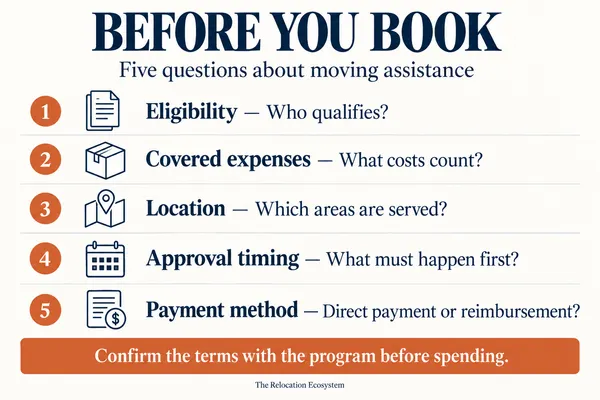
Match the help to the decision. Sorting, moving inherited furniture, storage, sale coordination, and final cleaning are different tasks. Confirm the approved work, destinations, costs, and responsibilities before hiring providers. Give everyone a clear instruction to pause and contact the authorized person when an item is uncertain.
One belonging. A few practical questions.
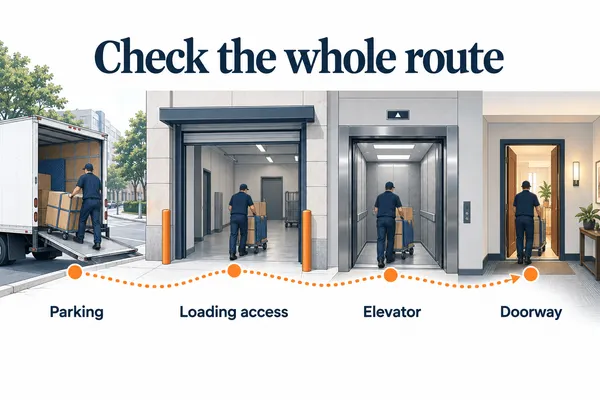
Think about an inherited chair. Before arranging transport, confirm that the intended recipient wants the approved item and has room for it. Check the chair’s measurements, doorways and stairs, packing needs, delivery arrangements, and any storage costs.
Sentimental value may matter more than resale value. Make room for that choice without assuming everyone feels the same way. If storage is the agreed next step, name the person managing it, set a budget, and choose a date to revisit the decision.
Your next step can be a question
You might begin with: “Who can approve the work?” “Which items need to stay untouched?” or “What must be ready before the mover arrives?” One clear answer can make the next task easier to understand.
Our full guide includes the Household Transition Checklist After a Death, options for each belonging, and guidance on coordinating help. You can print the checklist, save the guide for later, or share it with someone helping with household arrangements.
Read the guide and household checklist →
If you are unsure where to begin, the guide also has a place to describe your situation and prepare an email to TRE. Share only a general description, not private estate documents or account information.
Scott Hampton
The Relocation Ecosystem
Independent practical guidance. TRE does not determine authority or ownership, provide legal or financial advice, or make one provider the default choice.


Add your perspective
What does your experience add?
Which part of this guidance matches your experience—and which needs a different perspective?
Share one example, your role and any supporting evidence. Disagreement is welcome when it helps clarify the decision.